What causes cerebral palsy?
 Generally, the most common cerebral palsy causes involve injury to the brain during childbirth. Damage to different parts of the brain can result in various types of cerebral palsy, affecting a child’s ability to control their muscles.
Brain damage can lead to permanent disabilities, including problems with motor control, coordination, and balance. The level of disability depends on the severity of the brain injury and the resulting physical and neurological symptoms of cerebral palsy.
Roughly 85-90% of all cerebral palsy cases are congenital, meaning they’re present at birth, according to the Centers for Disease Control and Prevention (CDC).
Sometimes, the causes of cerebral palsy are unavoidable. However, for many families, the condition was caused by medical mistakes made during pregnancy, delivery, or shortly after their child was born.
It’s important to understand that CP is a lifelong condition with no cure. Additionally, many children are not diagnosed until they get older. Don’t wait to find out if you may be able to take legal action.
Seeking legal advice early can help secure the necessary support and resources for managing cerebral palsy.
Get a free case review right now to see if your family could be eligible for financial support.
Cerebral palsy caused by medical negligence
Unfortunately, many cases of cerebral palsy are caused by mistakes made by health care professionals during childbirth. Medical negligence is one of the preventable cerebral palsy causes. This means the condition could have been avoided with proper care.

“Hospitals and doctors rarely admit when something went wrong, and important details can get buried in medical records.”
— Ricky LeBlanc, Cerebral Palsy Lawyer
Forms of medical negligence that can cause cerebral palsy include:
- Failing to detect or properly treat infections in the mother or baby
- Delaying or neglecting a medically necessary cesarean section (C-section)
- Misusing forceps or vacuum extractors (assisted delivery tools)
- Overlooking signs of fetal distress, like abnormal heart rate or oxygen loss
If your child has cerebral palsy caused by medical negligence, you could be eligible to pursue financial compensation.
Watch our short video to learn more about how medical malpractice is one of the leading causes of cerebral palsy.
Learn how medical malpractice can lead to cerebral palsy that could have been avoided. If your child was harmed, you may be able to access financial aid.
Duration: 1 min 14 sec
Medical malpractice can take many forms, including failures that should never happen. Sadly, when these failures occur during childbirth, the results can be catastrophic, causing cerebral palsy that could have been prevented with proper care. These failures can include:
Failure to detect and properly treat infections, putting innocent lives at risk.
Fetal distress should never go unnoticed, denying babies the vital oxygen they need.
Failure to schedule or perform a necessary cesarean section, endangering both the baby and the mother.
Failure to detect a prolapsed umbilical cord, a dangerous situation that demands immediate attention.
Improper use of delivery tools, like vacuum extractors and forceps, causing irreversible harm.
At Cerebral Palsy Guide, we understand the devastation that arises when preventable medical mistakes during childbirth lead to cerebral palsy. Our dedicated team is here to fight for justice on behalf of families like yours.
Contact us today. We're here to help you and your family.
What caused my child’s cerebral palsy?

Unfortunately, it can take anywhere from several months to several years to find out what caused a child’s cerebral palsy. Additionally, in many cases, exact cerebral palsy causes are never determined.
Part of the challenge of identifying cerebral palsy causes is that many children aren’t diagnosed until they’ve grown older, and the symptoms have become more noticeable. From there, parents may need to work backward to find out what caused their child’s condition.
If you notice your child missing any developmental milestones, you should contact your pediatrician so they can determine the exact cause.
The CDC recommends screening children for signs of developmental delays at 9, 18, 24, and 30 months.
Doctors may use computer tomography (CT) scans and magnetic resonance imaging (MRI) to find damaged areas of the brain. These imaging tests can help medical professionals determine the cause of cerebral palsy.
If you have questions about common cerebral palsy causes or what may have happened to your child, our labor and delivery nurses are here to help.
Connect with a registered nurse right now. There is no cost or obligation.


Understanding cerebral palsy causes and brain damage
Cerebral palsy often stems from brain damage caused by several factors. The severity of these factors directly impacts the extent of abnormal brain development.
Learn more about different types of brain damage that are common causes of cerebral palsy below.
Bleeding in the brain
Brain hemorrhages (abnormal bleeding in the brain) are caused by ruptured blood vessels. Risk factors, like premature delivery, and causes, like birth trauma, can lead to ruptured blood vessels.
Hemorrhages occurring before and during childbirth can cause serious damage.
For example, intraventricular hemorrhage is bleeding into the spaces in the brain where cerebrospinal fluid (a liquid that acts as a protective cushion for the brain) is made. Bleeding in this area of the brain can lead to cerebral palsy.

Brain trauma
Head injuries may occur during labor or delivery or within the first few years of life. Trauma to an infant or toddler’s developing brain can cause damage that leads to cerebral palsy.
Genetic factors
The link between genetics and the causes of cerebral palsy is still being researched today. A study published in the journal Nature Genetics found that 14% of all cerebral palsy cases are related to rare genetic mutations.
Lack of oxygen
Asphyxia is caused by a lack of oxygen to the brain, which can result in brain damage. An early detachment of the placenta, a ruptured uterus, or a pinched umbilical cord during birth can all stop or restrict blood flow to the fetus and cause oxygen deprivation to the tissues in the brain and other body parts (hypoxia).
Low birth weight
Children with low birth weight have an increased risk of experiencing birth-related complications and developing cerebral palsy, according to the CDC.
Infants who weigh less than 5.5 pounds — especially children weighing less than 3 pounds, 5 ounces — are at greater risk of having cerebral palsy.
Infants with low birth weight may also have a harder time fighting off infections that can lead to brain damage if left untreated.

Maternal and newborn infections
Infections passed from mothers to their babies during pregnancy can be dangerous, especially in the early weeks after conception. Viral infections can trigger the mother's immune system to release proteins that cause inflammation in the baby's brain.
Infection-related risk factors during pregnancy include:
- Consumption of raw or undercooked meat
- Cytomegalovirus (CMV)
- Rubella (German measles)
- Viral infections causing inflammation
Newborn infections, like meningitis, can also cause severe brain damage. Meningitis leads to intense inflammation, which may harm the motor control centers in a child's brain, potentially resulting in cerebral palsy.
Premature birth
Infants born prematurely (before the 37th week of pregnancy) have a greater risk of developing cerebral palsy. Babies born before the 32nd week of pregnancy have a very high risk of developing cerebral palsy, according to the CDC.
Many premature infants face medical problems that are common causes of cerebral palsy, like periventricular leukomalacia (PVL), which is the softening and death of white brain tissue due to a lack of oxygen or blood flow.
Another serious complication is necrotizing enterocolitis (NEC), a life-threatening intestinal disease linked to cow’s milk–based baby formula. NEC can cause severe infection and oxygen loss that may result in lasting brain injury.

Severe jaundice
Newborns often experience mild cases of jaundice after birth. Jaundice is caused by a buildup of bilirubin, which shows up as yellowing of the baby’s skin and the whites of their eyes.
Typically, jaundice occurs because a newborn’s liver is still developing, and the liver is responsible for removing bilirubin.
Most cases of jaundice clear up once the liver filters out the excess bilirubin. However, severe untreated jaundice can develop into kernicterus, which causes an unsafe level of bilirubin in the brain. High bilirubin levels can be toxic and cause brain damage that leads to cerebral palsy.
If one of these factors may have caused your child to develop cerebral palsy, you could be eligible for financial compensation. Reach out to our team now for a free consultation.
Call us at (855) 220-1101 or Click to Live Chat if you have questions about what caused your child’s cerebral palsy.
Cerebral palsy causes and areas of brain damage
Children can develop different types of cerebral palsy depending on the location of brain damage.
The areas of the brain that control motor skills are:
- Basal ganglia
- Cerebellum
- Motor cortex
- Pyramidal tracts
These areas relay impulses from the brain to the nerves and muscles to control movement. Damage to these parts of the brain can result in movement impairments and intellectual disabilities.
Learn more about CP types below.

Ataxic cerebral palsy
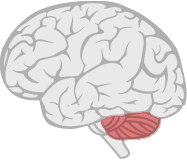
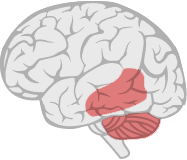
This type of CP is caused by damage to the cerebellum. Children with ataxic cerebral palsy have difficulty with coordination, depth perception and balance, speech, and fine motor skills (using the muscles in their hands, fingers, and wrists).
Ataxic cerebral palsy can also cause shakiness or tremors.
Athetoid (dyskinetic) cerebral palsy
Athetoid or dyskinetic cerebral palsy is caused by damage to the cerebellum and/or basal ganglia. This can lead to balance problems, involuntary movement, drooling, and shifting muscle tone (between stiff and floppy).
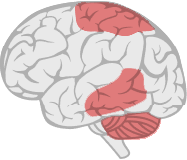
Mixed cerebral palsy
Children with mixed cerebral palsy experience symptoms of more than one type of the condition. Damage to multiple areas of the brain can cause mixed cerebral palsy.
Spastic cerebral palsy
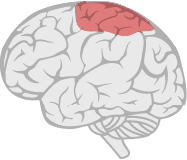
Spastic CP is caused by damage to the motor cortex and pyramidal tracts. The motor cortex controls voluntary movement, and the pyramidal tracts pass brain signals to the muscles.
Damage to these parts of the brain can cause spasticity (jerky, repetitive movements) and stiff muscle tone.
Get legal help for your child’s cerebral palsy
Raising a child with cerebral palsy can feel overwhelming, especially when it comes to covering the costs of care. Thankfully, there are options available to help families with these expenses.
Understanding common cerebral palsy causes is essential, especially if you believe your child's condition resulted from medical negligence. Financial assistance and legal support can help ease your family’s financial burden, allowing you to focus on your child's care.
Cerebral Palsy Guide partners with birth injury law firms that can help families in all 50 states. Together, they have recovered over $1 billion for families affected by preventable birth injuries, including CP.
Call our experienced patient advocates at (855) 220-1101 or get a free case review right now to learn about your options.